Archives
- 2018-07
- 2019-04
- 2019-05
- 2019-06
- 2019-07
- 2019-08
- 2019-09
- 2019-10
- 2019-11
- 2019-12
- 2020-01
- 2020-02
- 2020-03
- 2020-04
- 2020-05
- 2020-06
- 2020-07
- 2020-08
- 2020-09
- 2020-10
- 2020-11
- 2020-12
- 2021-01
- 2021-02
- 2021-03
- 2021-04
- 2021-05
- 2021-06
- 2021-07
- 2021-08
- 2021-09
- 2021-10
- 2021-11
- 2021-12
- 2022-01
- 2022-02
- 2022-03
- 2022-04
- 2022-05
- 2022-06
- 2022-07
- 2022-08
- 2022-09
- 2022-10
- 2022-11
- 2022-12
- 2023-01
- 2023-02
- 2023-03
- 2023-04
- 2023-05
- 2023-06
- 2023-08
- 2023-09
- 2023-10
- 2023-11
- 2023-12
- 2024-01
- 2024-02
- 2024-03
- 2024-04
- 2024-05
-
br Introduction Throughout early prophase I meiotic cells in
2024-05-15
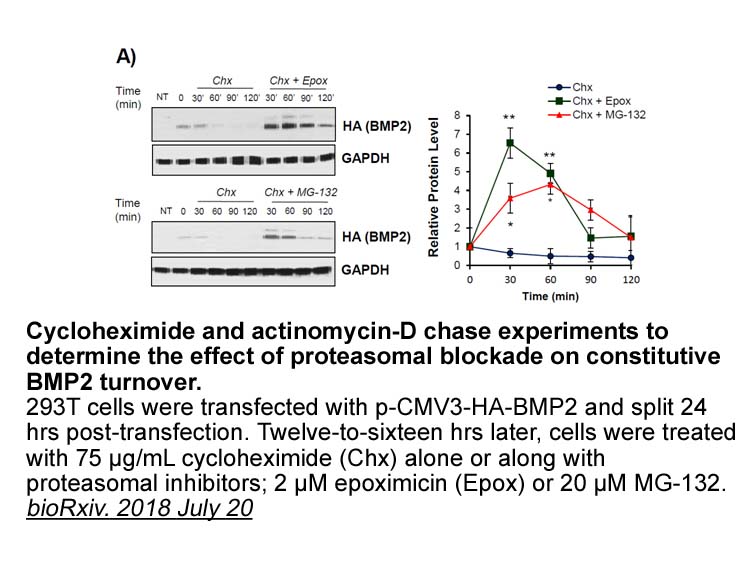
Introduction Throughout early prophase I, meiotic cells intentionally generate DSBs as part of a stringently controlled process to initiate homologous recombination (HR). HR is a critical DSB repair pathway that ultimately permits the exchange of genetic information between homologous chromosomes
-
Hepatoid adenocarcinoma closely resembles HCC and in some ca
2024-05-15

Hepatoid adenocarcinoma closely resembles HCC and in some cases can be indistinguishable morphologically. Hepatoid adenocarcinoma is an aggressive neoplasm, and metastasis to the liver is common [12]. Gastric metastasis from HCC has also been reported [27]. Distinguishing hepatoid adenocarcinoma fro
-
To enhance the accuracy of SEs in eliminating
2024-05-15
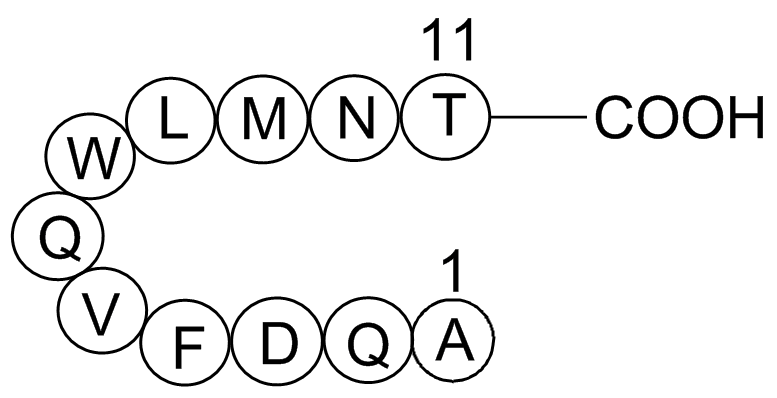
To enhance the accuracy of SEs in eliminating cancer cells, the mAb recognized by specific RVX-208 on tumor cells were fused with SEs. Fab C215 or C242 fused with SEA promoted apoptosis in human colon carcinoma cells via Fas (Dohlsten et al., 1994, Litton et al., 1996). SEB-incorporated exosomes we
-
Besides above mentioned UV visible and fluorescence spectros
2024-05-15
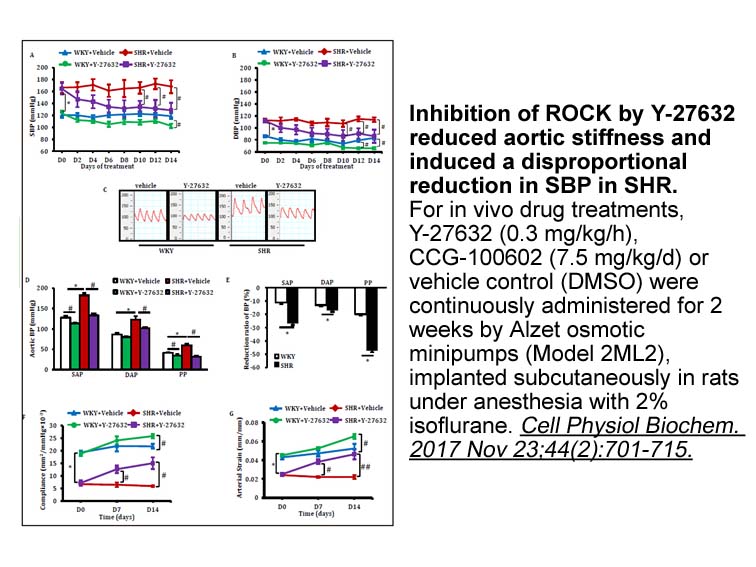
Besides above-mentioned UV–visible and fluorescence spectroscopy methods, electron paramagnetic resonance (EPR) spectroscopy, the only analytical method that detect compounds having unpaired electrons known as free radicals, was rarely used in antioxidant capacity measurement (Amarowicz et al., 2004
-
Use of antibiotics would be expected
2024-05-15

Use of conotoxin would be expected to alter the maternal microbiome, thereby changing the infant's initial exposure is to the microbial environment, which could potentially lead to an abnormal succession of microbial colonization in the infant. Alterations in early microbial transfer and succession
-
br Model Fig demonstrates the block scheme of main
2024-05-15
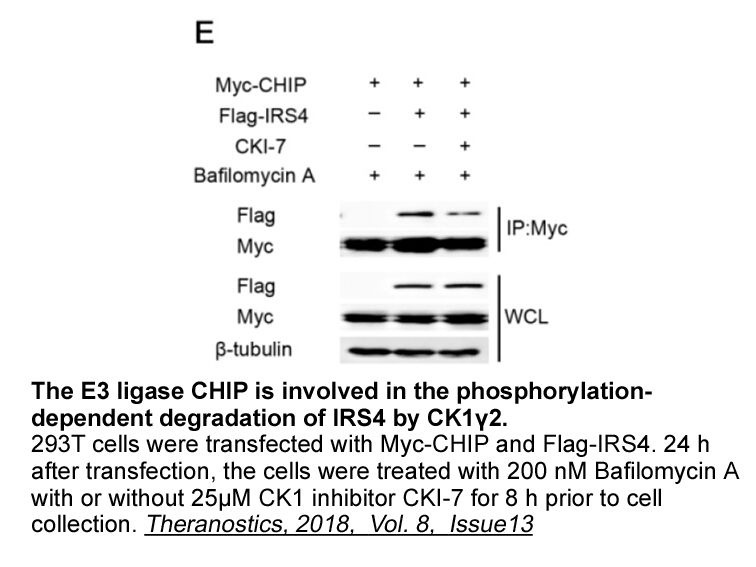
Model Fig. 1 demonstrates the block-scheme of main interactions between variables of the model under investigation. These interactions are described below in details and are expressed in mathematical form as well, where all variables are the functions of space and time coordinates, r and t, which
-
br Small molecule homoisoflavonoid in
2024-05-15
Small molecule homoisoflavonoid in combination with anti-VEGF therapy Basavarajappa et al. [11] reported a new synthetic homoisoflavonoid compound, SH-11037 by modifying the structure of naturally occurring homoisoflavonoid cremastranone. SH-11037 exhibited promising inhibition of human retinal m
-
Androgen receptor translocates from the
2024-05-15
Androgen receptor translocates from the cytoplasm to the nucleus after binding to its ligands (Quigley et al., 1995). In the current study, although propofol did not significantly affect total androgen receptor protein levels, it significantly decreased nuclear androgen receptor levels. These findin
-
Cells have developed strategies aiming to enhance
2024-05-14

Cells have developed strategies aiming to enhance both the efficiency of proteins with chaperone activity as well as their overall antioxidant capacity to maintain proteostasis under oxidative stress conditions (Miyata et al., 2012). For instance, 2-Cys peroxiredoxin is an abundantly expressed, anti
-
br Theoretical mechanism of ABCA activity in
2024-05-14
Theoretical mechanism of ABCA2 activity in LE/LY in modulation of cholesterol trafficking It is important to confirm that ABCA2 is a lipid transporter and identify the substrates that are mechanistic in its cholesterol sequestering activity. We hypothesize that ABCA2 modulates cholesterol sequest
-
br Discussion Here we focused on seven plant alkaloids extra
2024-05-14
Discussion Here, we focused on seven plant alkaloids extracted from yokukansan. These alkaloids individually inhibited 5-HT-mediated 5-HT3A and 5-HT3AB receptor currents weakly. Simultaneous administration of these alkaloids, however, inhibited the 5-HT3A and 5-HT3AB receptor currents strongly. T
-
AMPK modulates changes in lipid metabolism via the regulatio
2024-05-14
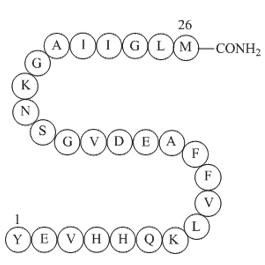
AMPK modulates changes in lipid metabolism via the regulation of fatty Anidulafungin oxidation and cholesterol synthesis in the liver. The key enzymes involved include ACC and HMGCR [27,28]. Both participate in the rate-limiting steps of fatty acids and cholesterol synthesis and are inactivated on
-
Introduction Mammalian cells express the
2024-05-14
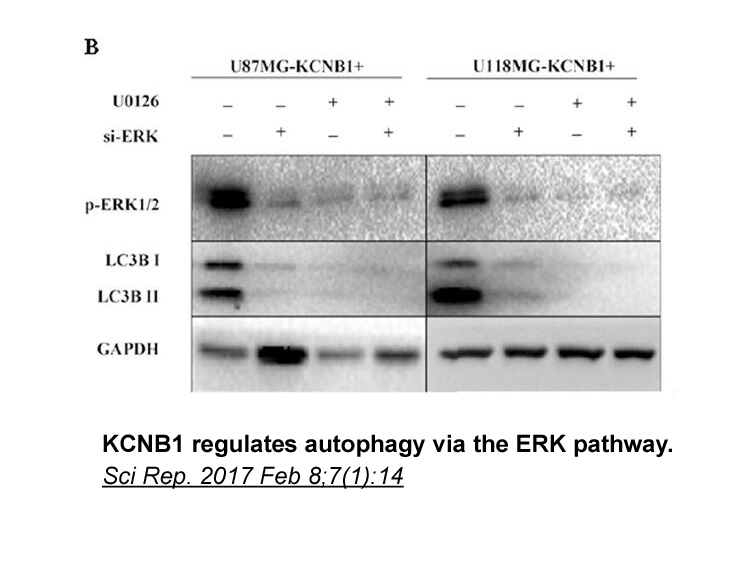
Introduction Mammalian glibenclamide synthesis express the seven STAT family members STAT1, −2, −3, −4, −5A, −5B, and −6 [1], [2]. All STATs exert physiologically important roles as homo- and heterodimers [2], [3], [4]. Cytokines and growth factors activate STATs through the activation of kinases
-
Molecular docking simulations were carried out
2024-05-14
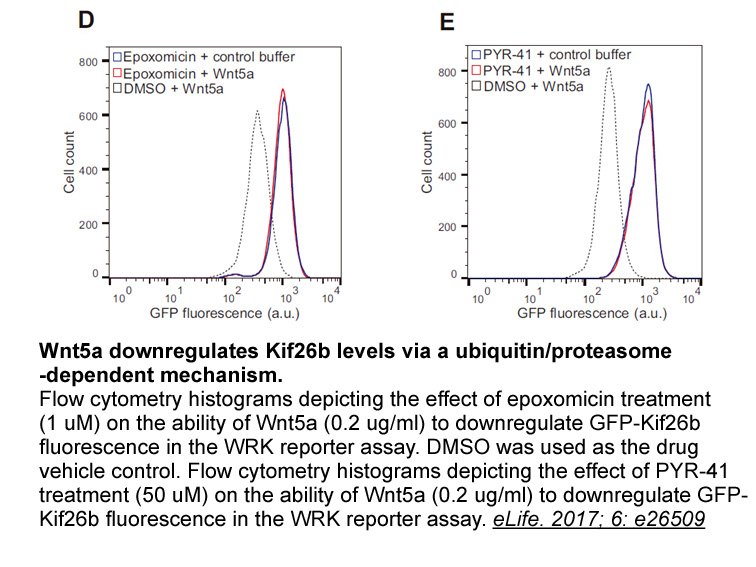
Molecular docking simulations were carried out for ligands – in the ACE crystal structure (1O86) and DPP4 crystal structure (2G5P). Comparison of the binding mode of – () with enalaprilat (a) in ACE shows that the phenethyl group (–, enalaprilat) occupies the S1 pocket and the adjacent carboxylic ph
-
The exact etiology of BPH is
2024-05-14
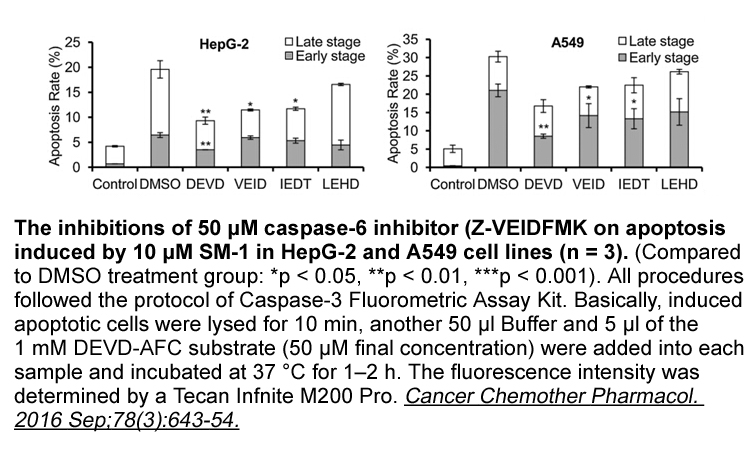
The exact etiology of BPH is not completely understood, however this pathology has been associated with elevated Epoxomicin levels of the androgen DHT (10). Thus, a valuable strategy in BHP treatment is the reduction of DHT (10) levels, by inhibiting its biosynthetic production [6], [8]. An importa