Archives
- 2026-06
- 2026-05
- 2026-04
- 2026-03
- 2026-02
- 2026-01
- 2025-12
- 2025-11
- 2025-10
- 2023-07
- 2023-06
- 2023-05
- 2023-04
- 2023-03
- 2023-02
- 2023-01
- 2022-12
- 2022-11
- 2022-10
- 2022-09
- 2022-08
- 2022-07
- 2022-06
- 2022-05
- 2022-04
- 2022-03
- 2022-02
- 2022-01
- 2021-12
- 2021-11
- 2021-10
- 2021-09
- 2021-08
- 2021-07
- 2021-06
- 2021-05
- 2021-04
- 2021-03
- 2021-02
- 2021-01
- 2020-12
- 2020-11
- 2020-10
- 2020-09
- 2020-08
- 2020-07
- 2020-06
- 2020-05
- 2020-04
- 2020-03
- 2020-02
- 2020-01
- 2019-12
- 2019-11
- 2019-10
- 2019-09
- 2019-08
- 2019-07
- 2019-06
- 2019-05
- 2019-04
- 2018-07
-
The isolation of a proteinaceous putative inhibitor of cyste
2019-11-08
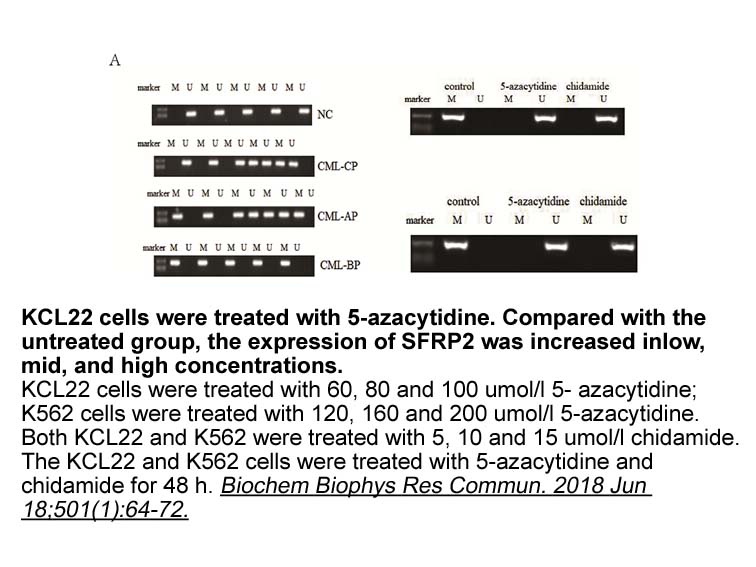
The isolation of a proteinaceous putative inhibitor of cysteine proteases from the extracts of Y. enterocolitica and E. coli was performed by affinity chromatography on immobilized and inactivated papain (Fig. 7A). Instead of the column variant of this technique (Tsushima et al., 1992), we used a ba
-
br Acknowledgments The authors thank
2019-11-08
Acknowledgments The authors thank Elisabete Lepera and Rosana Silva for technical support. The study was supported by FAPESP, CNPq and PADC/FCF-UNESP. T.T. Miguel was the recipient of a FAPESP (Proc. 05/05171-1) and R.L. Nunes-de-Souza of a CNPq (Proc. 303580/2009-7) fellowship. Introduction
-
The significance of the two biomarkers
2019-11-08
The significance of the two biomarkers for the detection of Aspergillus antigen and DNA in the sputum of patients cannot be over-emphasised. The mean GMI value was higher among CPA patients than the ABPA. This might not be unconnected with the fact that CPA is associated with lung damage and pre-exi
-
br Involvement of p MAPK pathway
2019-11-08
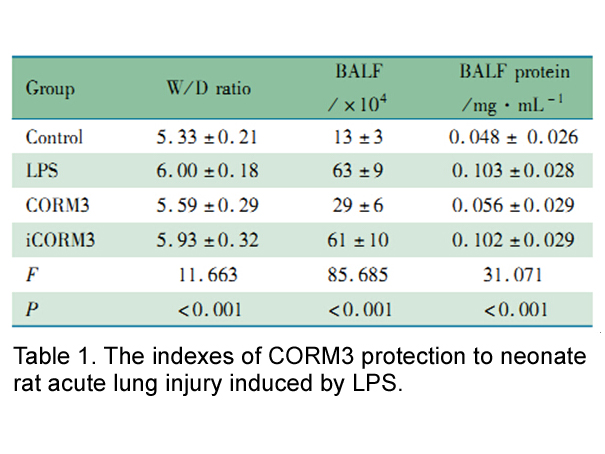
Involvement of p38 MAPK pathway The NF-κB signal transduction cascade is a major stress response signaling pathway for the COX-2 gene expression. In mice and humans, the COX-2 promoter has 1,3-PBIT dihydrobromide for many transcription factors, including NF-κB in the 5′ region of the COX-2 gene
-
All of these experiments in GM matter injury
2019-11-08

All of these experiments in GM matter injury models have identified an array of signaling mechanisms that are potentially important. First, Kim et al. proposed that CK2 acts as a negative modulator of NADPH oxidase [55]. Then Blanquet et al. [50] found that increased CK2 correlated with inhibition o
-
In this study we reported
2019-11-08
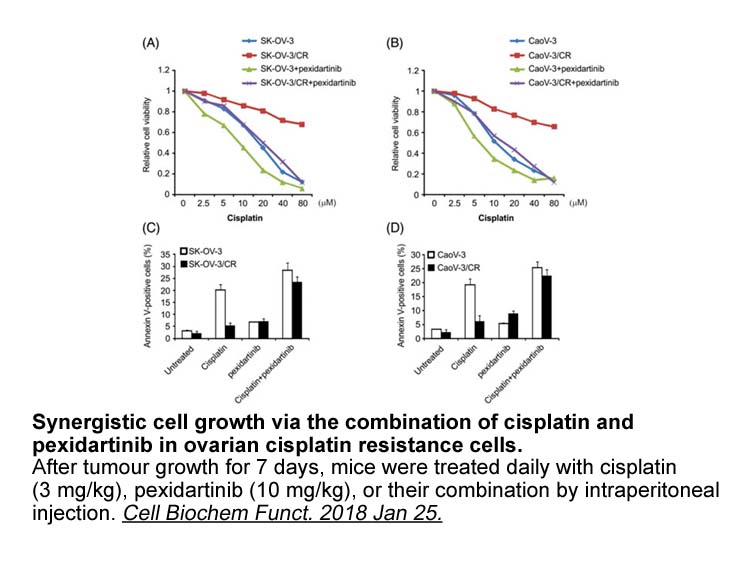
In this study, we reported that over-expressed endogenous central ET-1 exerted anti-allodynic and anti-hyperalgesic effects on SNL-induced NP for the first time. Furthermore, we showed that ETA-R mRNA Microcystin-LR together with the level of ET-1 was increased in the CNS up to 21days after SNL sur
-
The upregulation of PTGS and PTGS
2019-11-08
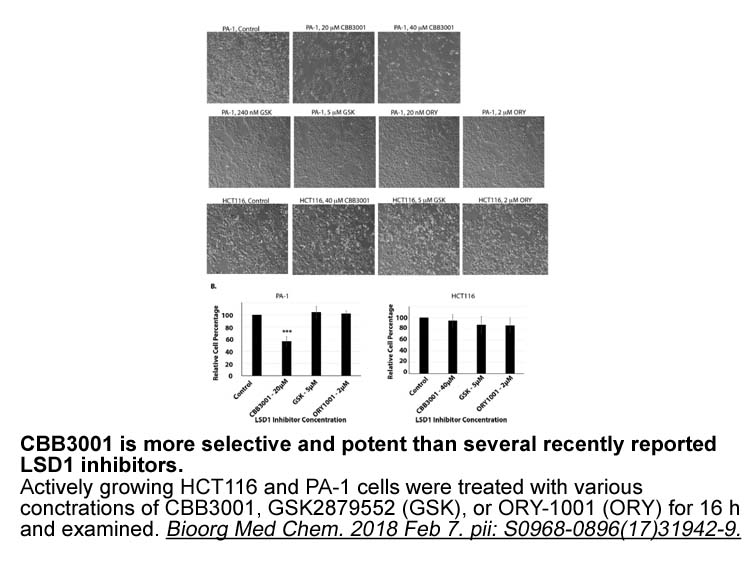
The upregulation of PTGS1 and PTGS2 in late gestation in mares could be linked to the high levels of estrogens produced by the fetoplacental unit. Estrogens are thought to be effective stimulators of prostaglandin production by potentially up regulating PTGS2 expression. Although a recent publicatio
-
This approach is similar to that
2019-11-08
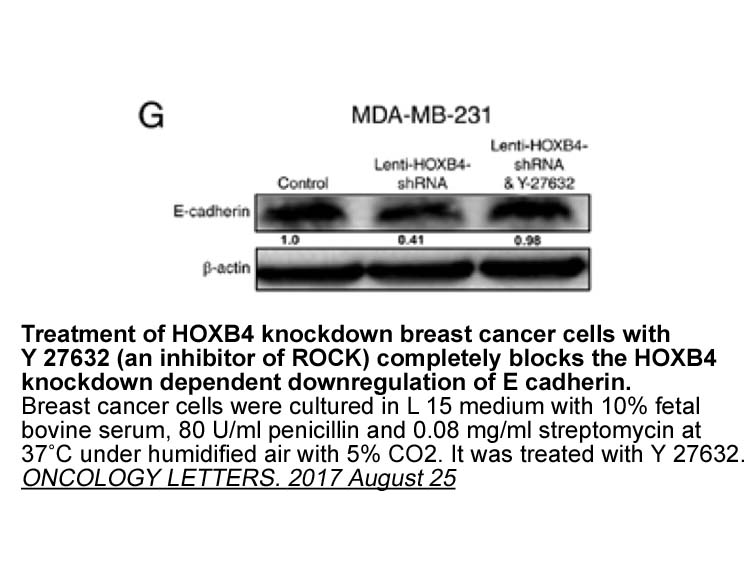
This approach is similar to that suggested by the previous edition of the GL [6]. Not surprisingly, the questions to be answered are the same (i.e., was the event TLOC? In cases of TLOC, is this StemRegenin 1 of syncopal or non-syncopal origin? In cases of suspected syncope, is there a clear aetiolo
-
A possible explanation for these observations has been provi
2019-11-07
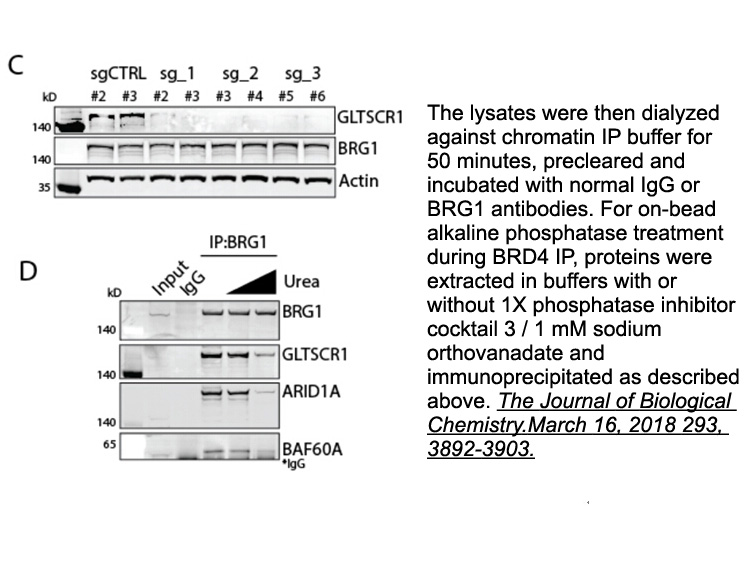
A possible explanation for these observations has been provided by a recent study showing that EWS-FLI-1 increases the Skp2-mediated 26S proteasome degradation, decreasing p27 protein stability and preventing cell senescence [42]. Mechanism of action of EWS-FLI-1 Molecular analysis has revealed
-
EPAC induces SOCS gene expression in VECs resulting in suppr
2019-11-07
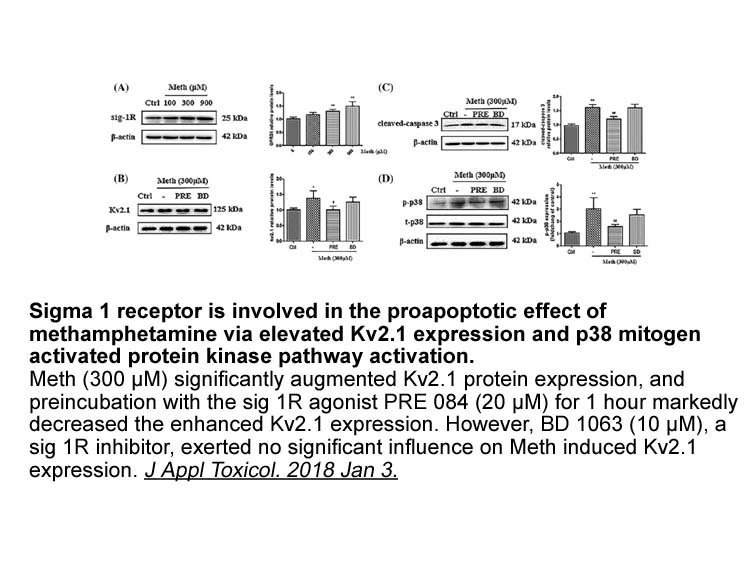
EPAC1 induces SOCS3 gene expression in VECs, resulting in suppression of the JAK–STAT activation initiated by the sIL-6Rα/IL-6 trans-signalling complex [67]. EPAC1 regulates SOCS3 gene induction through the activation of C/EBP and c-Jun transcription factors, which interact directly with the SOCS3 p
-
protease inhibitors EP receptor is known to mediate
2019-11-07

EP4 receptor is known to mediate the protective effect of PGE2 on the respiratory, gastrointestinal and glomerular epithelial lining (Aoudjit et al, 2006, Kabashima et al, 2002, Schmidt et al, 2011). In this study, the expression of asEP4 in the gills was limited to the epithelial lining suggesting
-
In sum although it is reasonable to assume that
2019-11-07
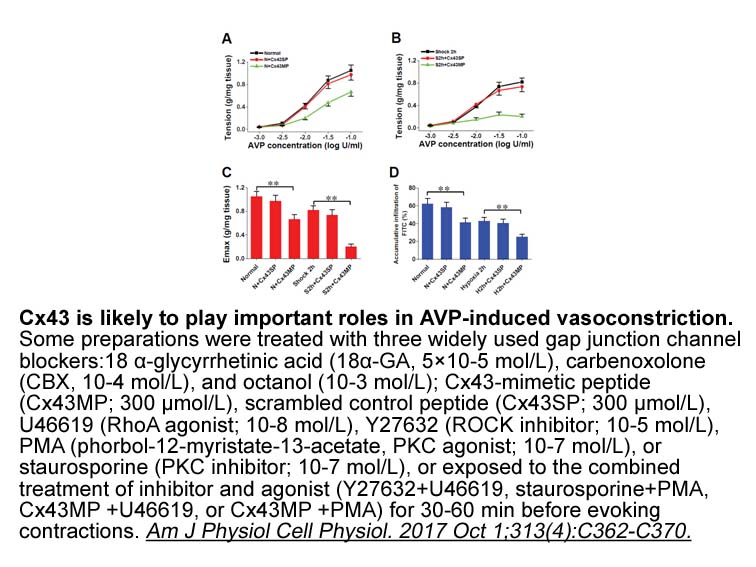
In sum, although it is reasonable to assume that the activities of an enzyme on alternative (metabolically available) substrates may often depend on neutral drift, the point is difficult to prove because various types of selective pressures can be at play, and these will be different in different or
-
br Results and Discussion br Conclusion
2019-11-07
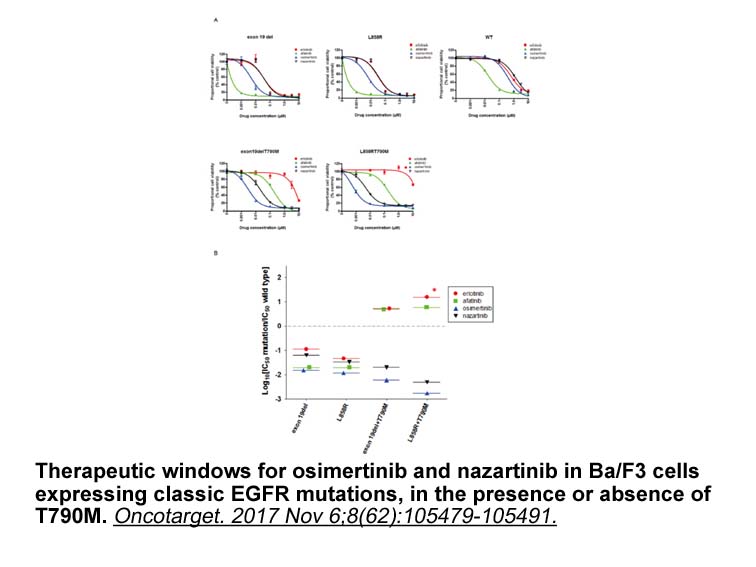
Results and Discussion Conclusion What we have shown here is that highly specific antagonist can be a very useful tool, can mimic gene KO experiments or even further dissect receptor function. We just took ETA antagonist as an example and found that ETA mediates physiological closure of DA whi
-
Synthetic progestogens also known as synthetic gestagens syn
2019-11-07
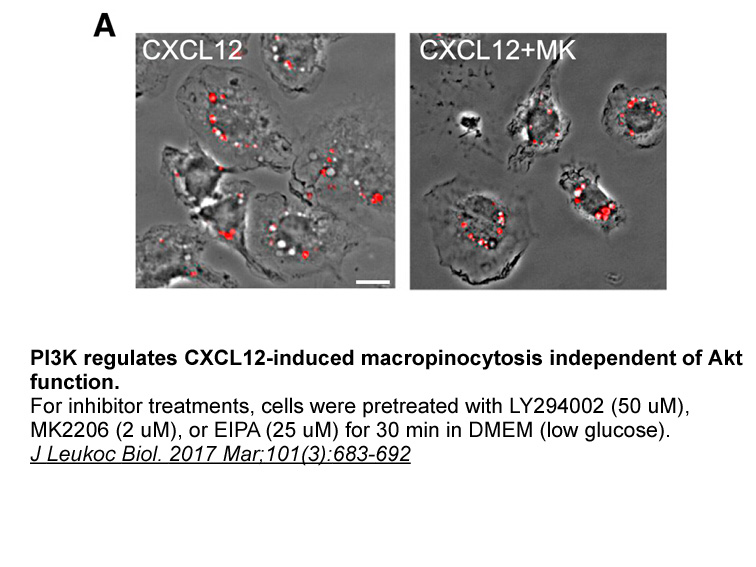
Synthetic progestogens (also known as ‘synthetic gestagens’, ‘synthetic progestins’ or simply ‘progestins’) are designed to mimic the effects of progesterone (P4) and are the active pharmaceutical ingredient in many contraceptives and hormone replacement therapies. Since most progestins are derived
-
Interest in the PGE EP pathway
2019-11-07

Interest in the PGE2/EP4 pathway is increasing given its diverse capability of regulating central nervous system activity [13]. EP4 has a protective function by reducing cerebral injury and improving functional outcome after stroke [14], and in suppressing Fluticasone propionate inflammation [15]. T
11384 records 647/759 page Previous Next First page 上5页 646647648649650 下5页 Last page